Between Gesture and System
Robin and Émilie recently attended Art Speaks’ Shifting Horizons: Art and Technology, a discussion between Tina Rivers Ryan and Trevor Paglen, which opened up new ways of thinking about making, seeing, and authorship within an increasingly shaped technological landscape. Somewhere between image and algorithm, intention and automation, a new artistic terrain continues to take shape.
Artificial intelligence has entered the visual field in a way that feels both gradual and immediate. At times, it sits quietly within the creative process. At others, it becomes unmistakably present, shifting not only how images are made, but how they are experienced.
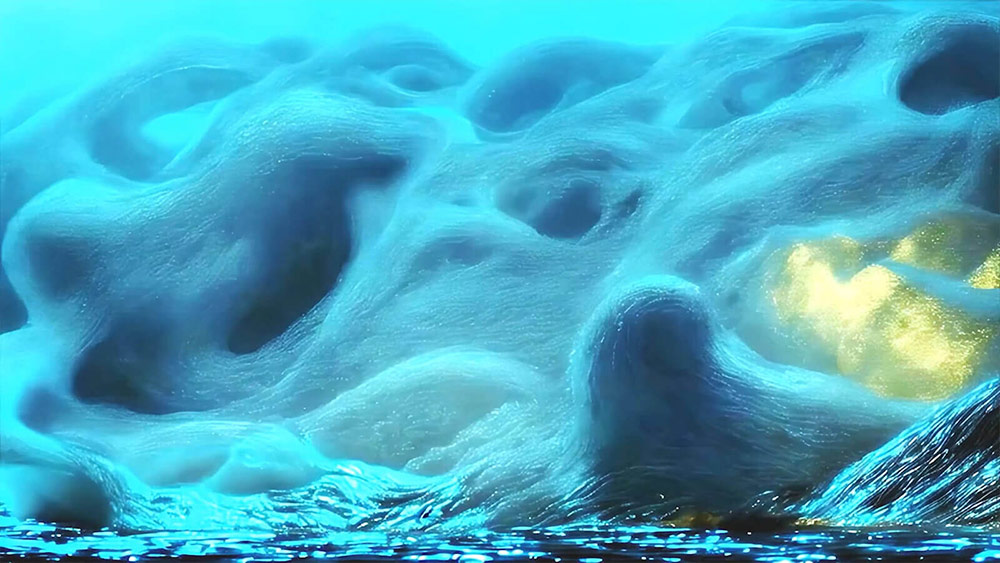
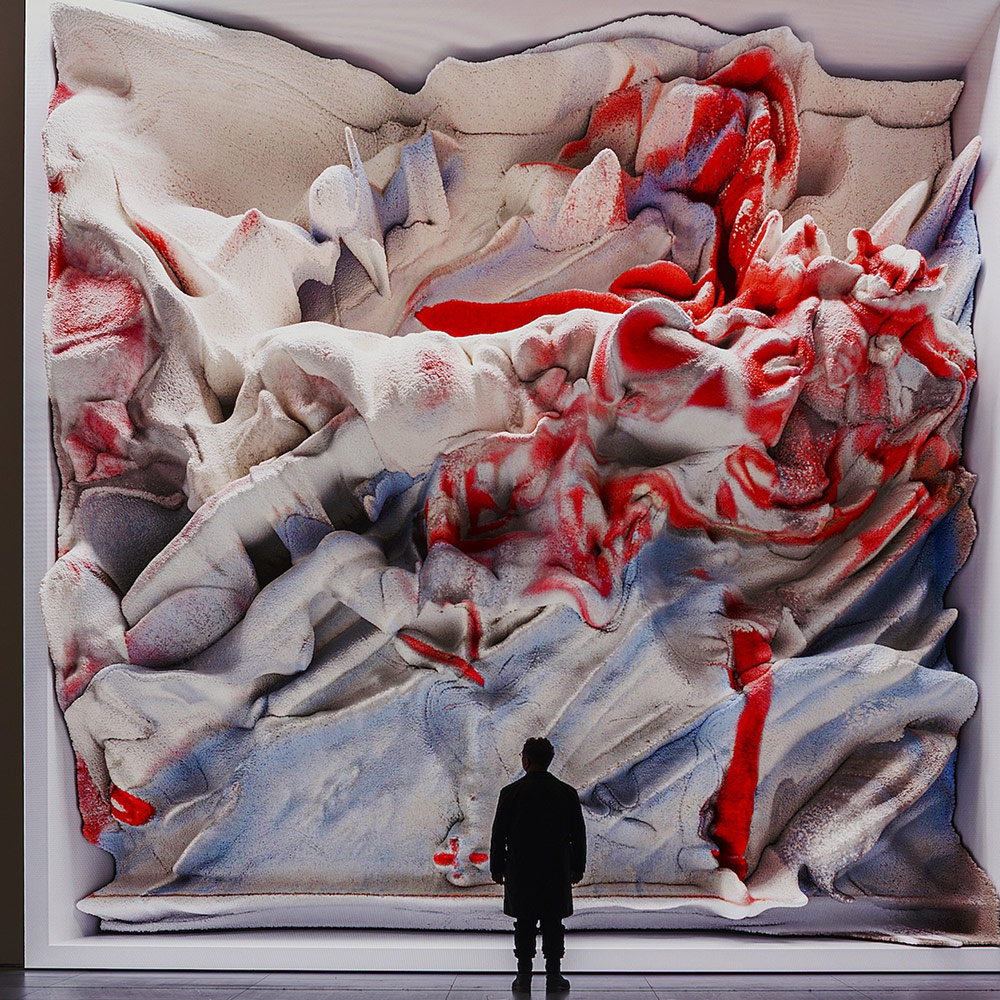
In the work of Refik Anadol, vast datasets become material. His MoMA installation Unsupervised draws from more than 200 years of artworks in the museum’s collection, using machine learning trained on the museum’s publicly available data to generate a continuously evolving visual environment. The work never settles. It moves, reshapes, and reimagines the archive in real time, as if the image itself were thinking. Anadol describes this process as “human-machine collaboration,” positioning it as a way of imagining new forms of creativity shaped across both human and technological input.
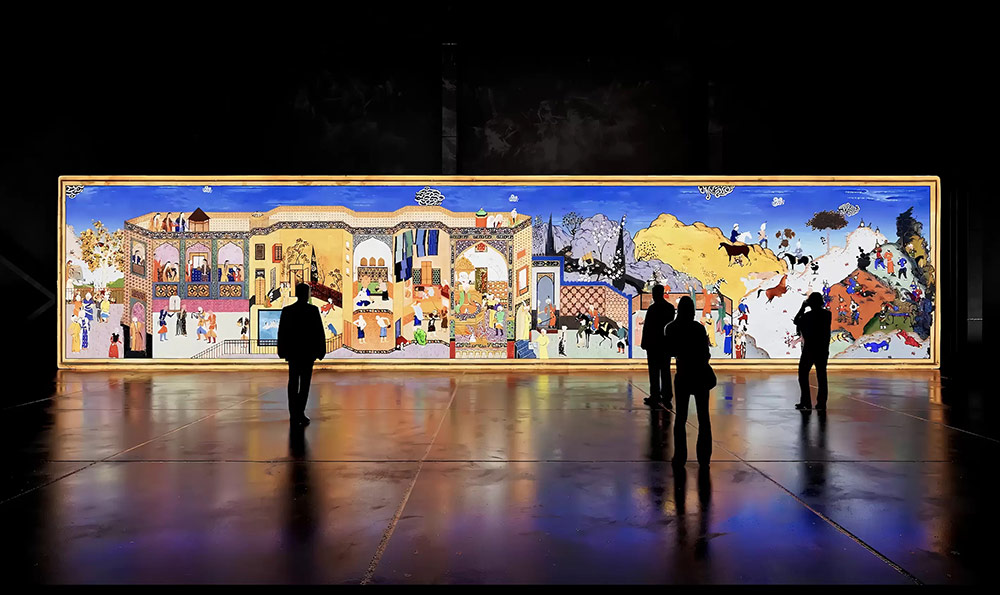
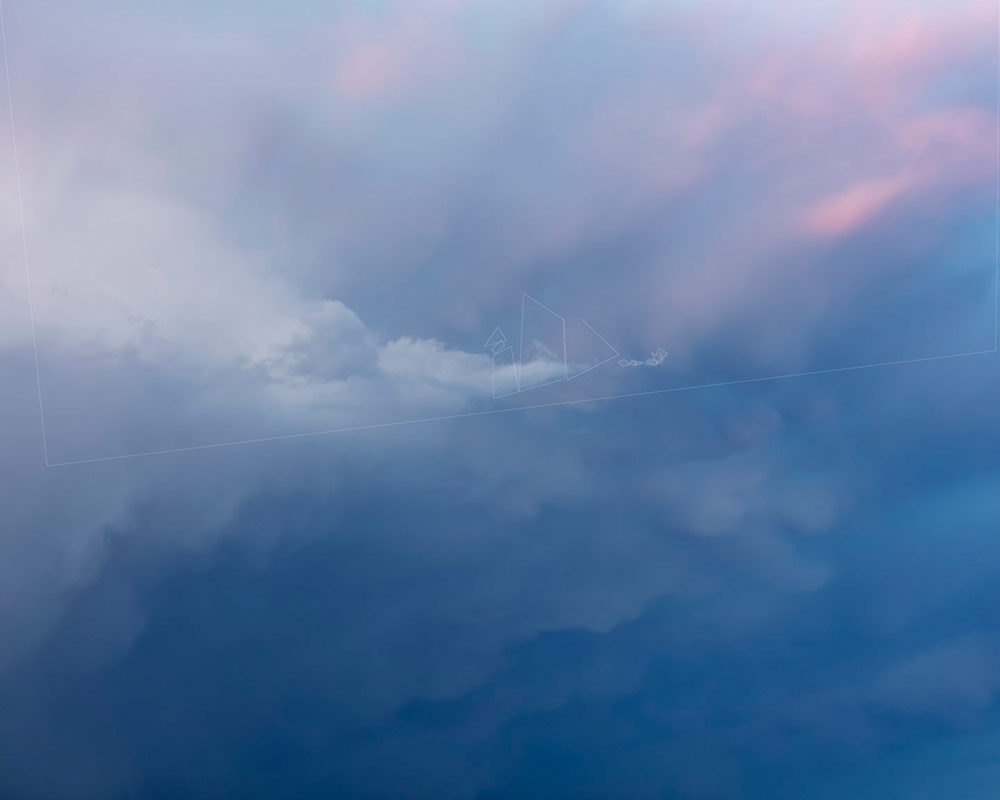
That sense of expansion appears differently in the work of Trevor Paglen. Rather than focusing on what AI produces, Paglen looks at what it learns from. His work traces the systems that train machines to see, including datasets, classification models, and image recognition technologies, revealing that images are not only created but conditioned long before they appear.
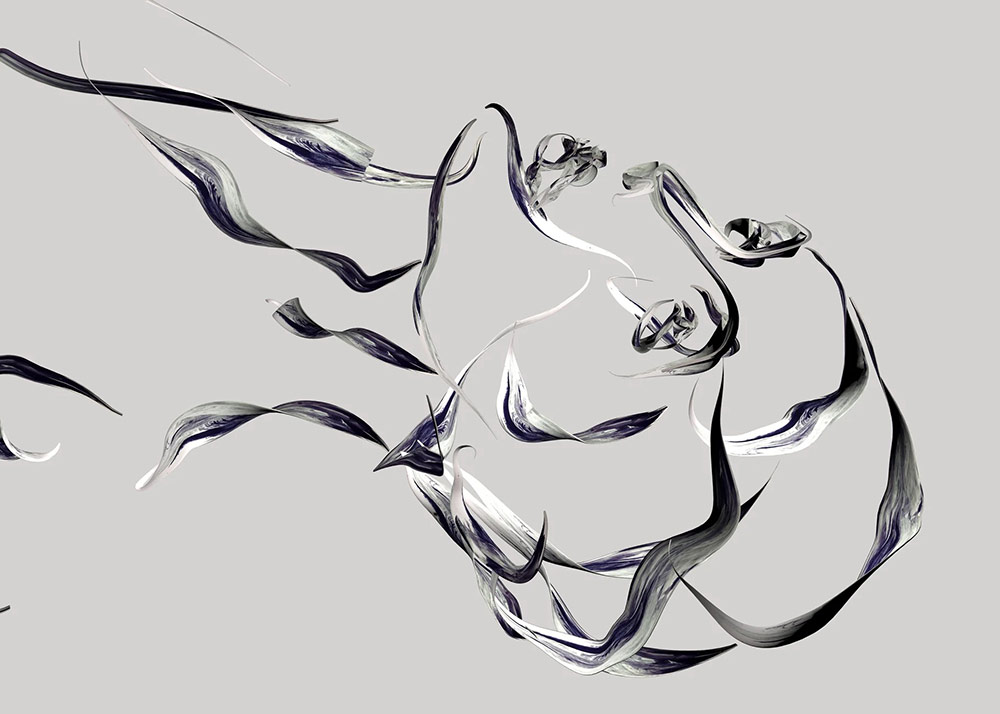
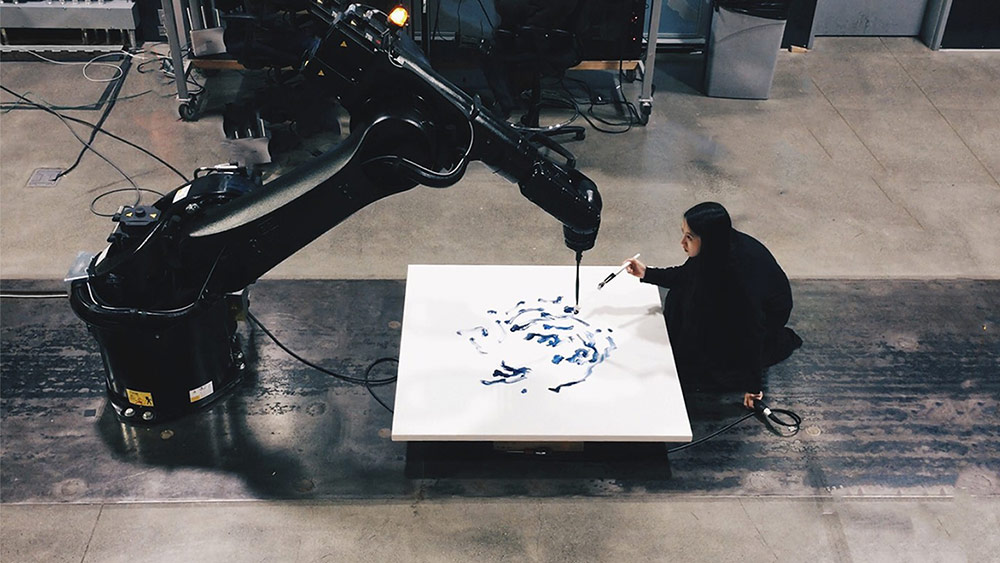
In contrast, Sougwen Chung brings the encounter back into the body. Through her Drawing Operations series, robotic systems trained on her own gestures draw alongside her in real time. The line becomes something shared, shifting between control and response, memory and variation.
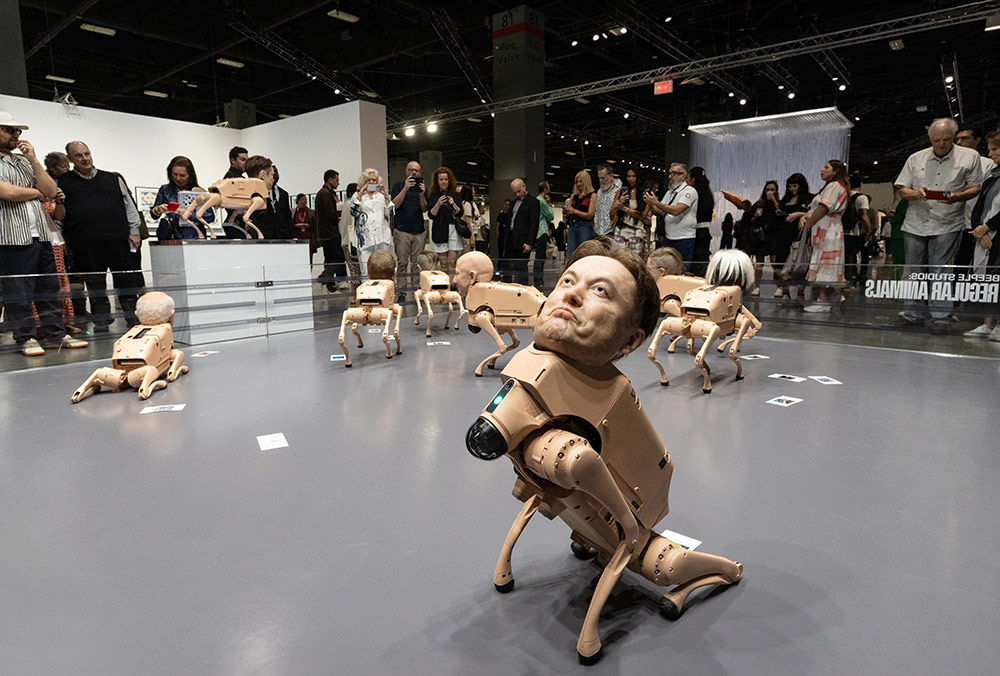
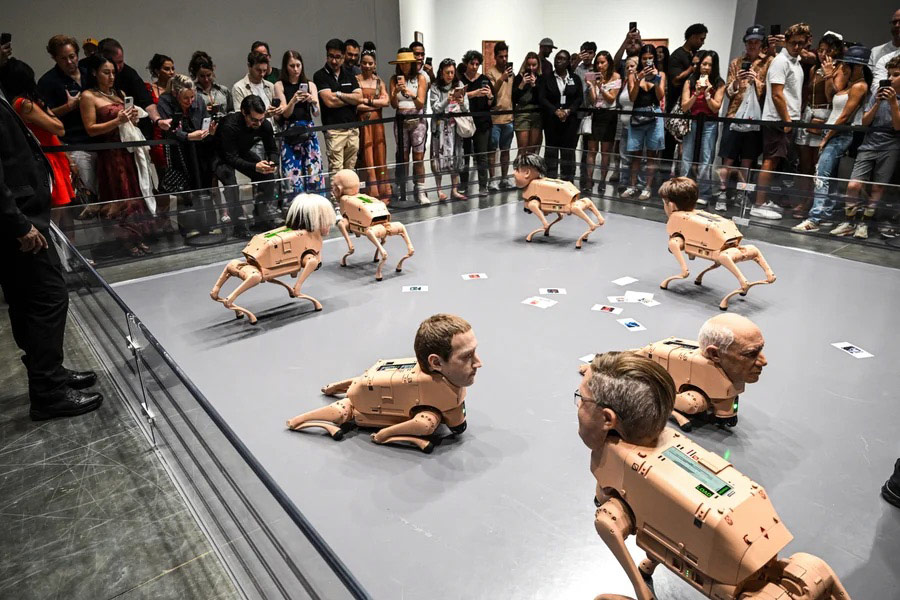
At Art Basel Miami Beach, this conversation took on a more physical and unexpected form. In Regular Animals, Beeple presented robotic dogs fitted with hyper-realistic silicone heads of figures such as Elon Musk, Mark Zuckerberg, Jeff Bezos, Pablo Picasso, and Andy Warhol. Moving within a contained space, they captured images of visitors and printed the results in real time. Familiar, strange, and slightly disorienting, the work blurred portraiture, authorship, and influence into something both immediate and difficult to fully grasp.
Across these practices, AI feels less like a defined medium and more like a condition, something that shapes how images come into being and how they are encountered. It can generate, imitate, and transform, often drawing from vast visual histories while rearranging them into something just beyond recognition. Attention slows. Details begin to carry more weight. What we see feels layered, as though it has travelled through multiple unseen systems before arriving in front of us.
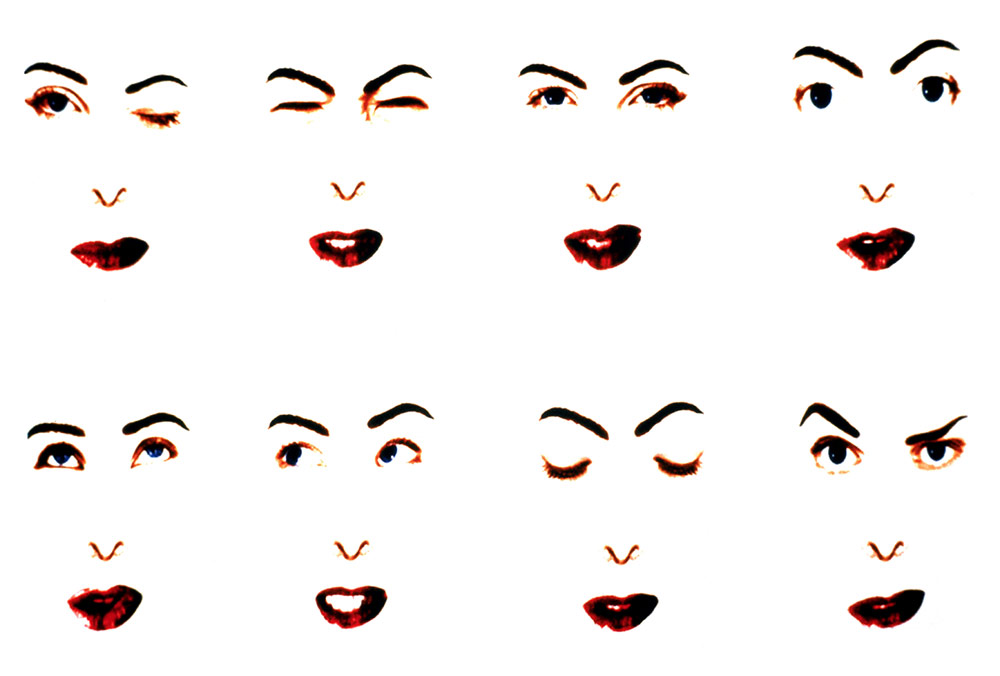
In this space between gesture and system, the artwork extends beyond its final form. It holds within it the data it draws from, the structures that guide it, and the decisions, human and machine, that continue to shape it. Where, then, does the image truly begin, and who, or what, is still shaping it as we look?
If this is a conversation you would like to continue, we invite you to connect with us here.