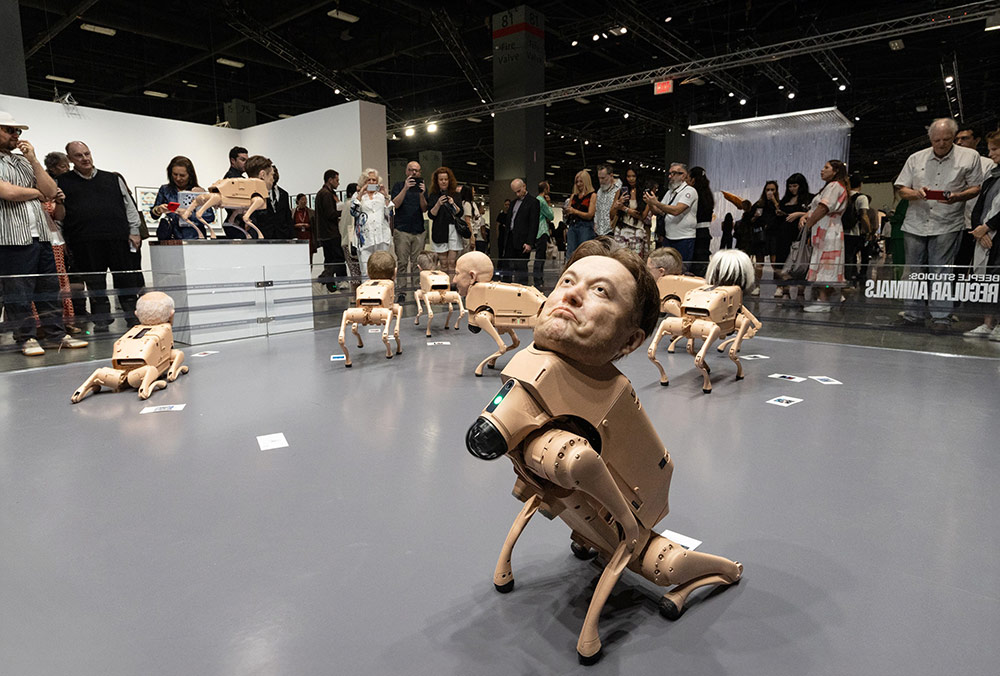
Where can you see a Jackson Pollock sell for millions, a doll girl resting on a four-poster bed, and a ceramic child cradling a tiger like a house cat, all in a single afternoon?
September has a particular energy to it. Notebooks are new, routines are resetting, and curiosity hangs in the air as classrooms fill back up. It felt like the right moment to revisit an idea we’ve touched on before: art and children.
Some artworks are designed to make us pause, question, and reconsider. Their meaning may not be immediately visible, and their materials may seem ordinary, strange, or even deliberately unappealing.
The female nude has never been a neutral subject. Across art history, it has been shaped less by the body itself than by the systems that frame it: ideals of beauty, cultural fantasy, academic tradition, and the politics of looking.
Robin and Émilie recently attended Art Speaks’ Shifting Horizons: Art and Technology, a discussion between Tina Rivers Ryan and Trevor Paglen, which opened up new ways of thinking about making, seeing, and authorship within an increasingly shaped technological landscape.
Milano–Cortina 2026 stages sport and art together, inviting us to look beyond medals and records to the creative gestures that will define this edition of the Games. Look past the spectacle, and you will find the Olympics speaking in visual and tactile language.
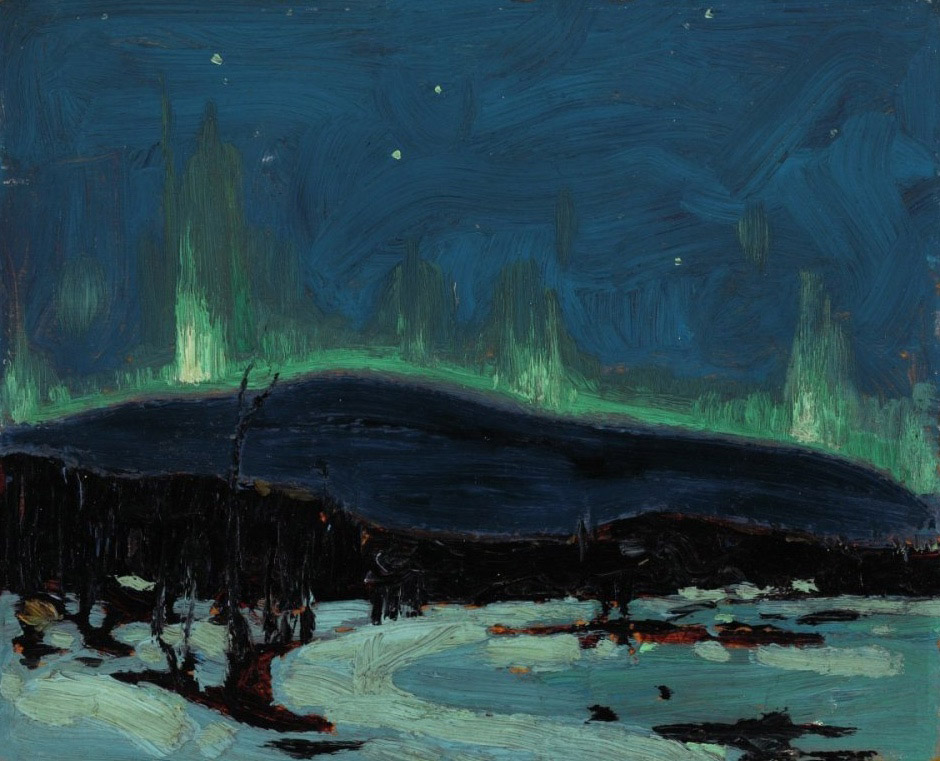
As the calendar turns and winter’s hush settles across landscapes, there is a palpable shift – not just in light and temperature, but in the very way we perceive the world.
Step into the Montreal Museum of Fine Arts (MMFA) and you are immediately immersed in a world where history is retold through the eyes of those it has often overlooked.