Women Artists Rewriting the Narrative
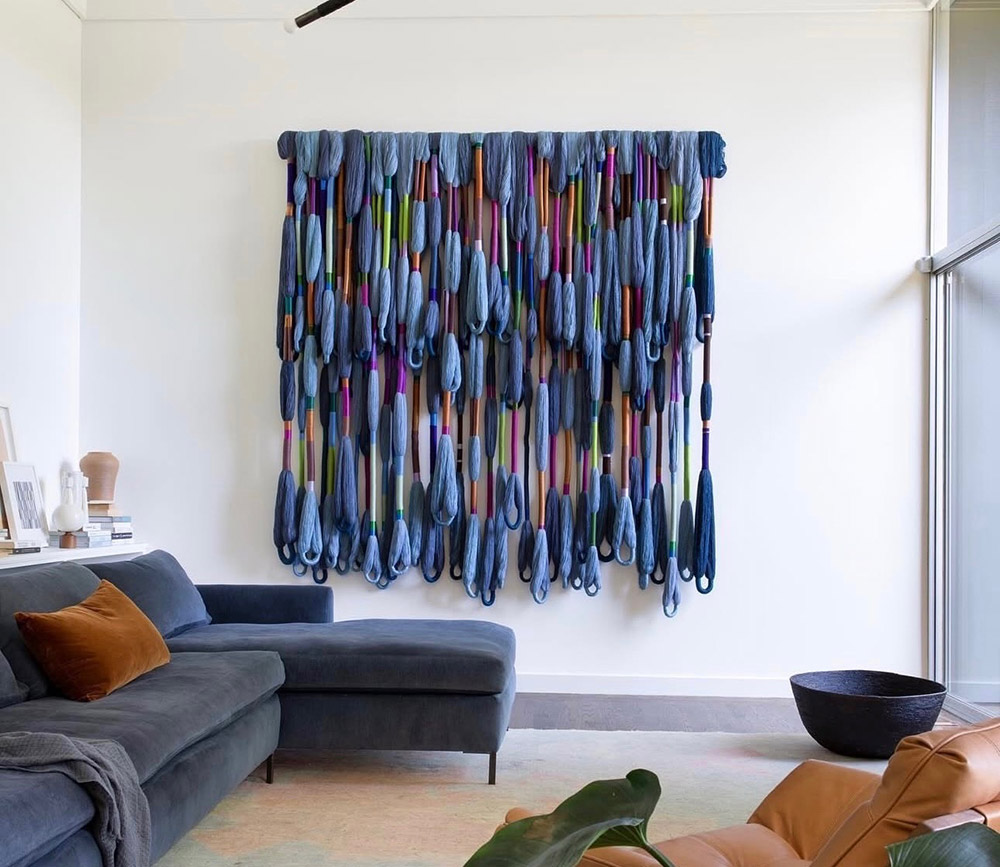
Women have always shaped the world of art through experimentation, storytelling, and a steady challenge to conventions that once excluded them. From monumental fibre works to lens-based storytelling, their practices continue to expand how we see and experience the world. This International Women’s Day, we celebrate not only the art women create but the ways they redefine what it means to shape culture today.

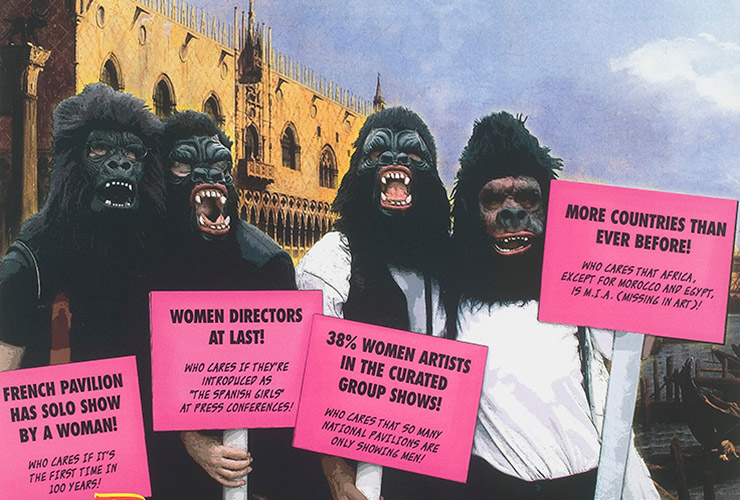
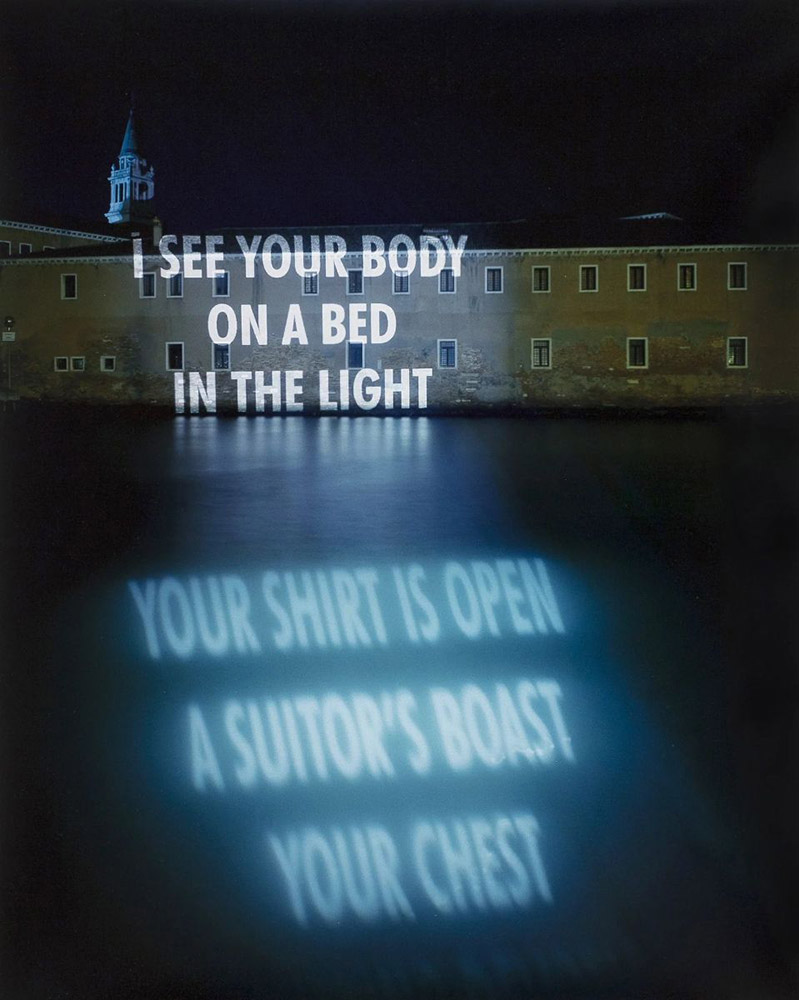
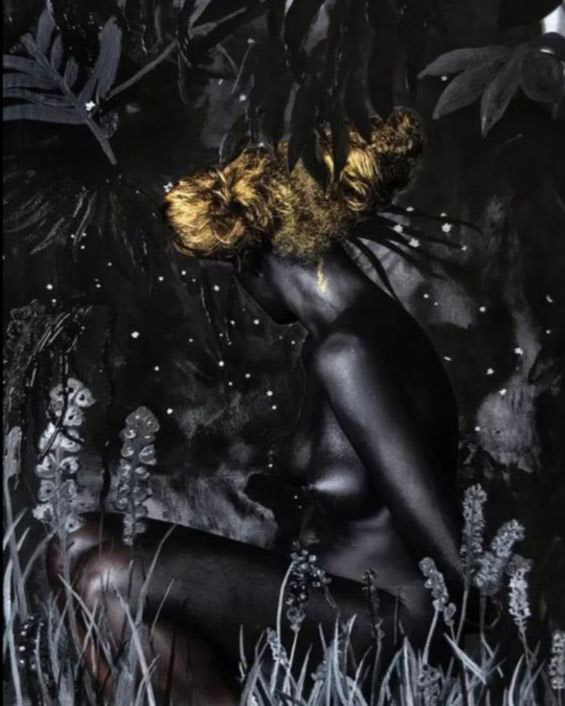
For centuries, women were underrepresented in galleries, museums, and art fairs. In 1989, the activist collective Guerrilla Girls exposed the imbalance between female artists and institutional recognition with bold, data-driven posters that demanded accountability. Public interventions such as Jenny Holzer’s Xenon light projections carried urgent language into shared urban spaces, while Lina Iris Viktor’s XXII. For if they take you in the Morning, we’ll be coming for you at Night asserts power and presence through luminous, gold-infused symbolism. Progress has been made, yet women’s work still faces disparities in visibility and valuation. At the same time, growing support from collectors and institutions signals meaningful cultural change.
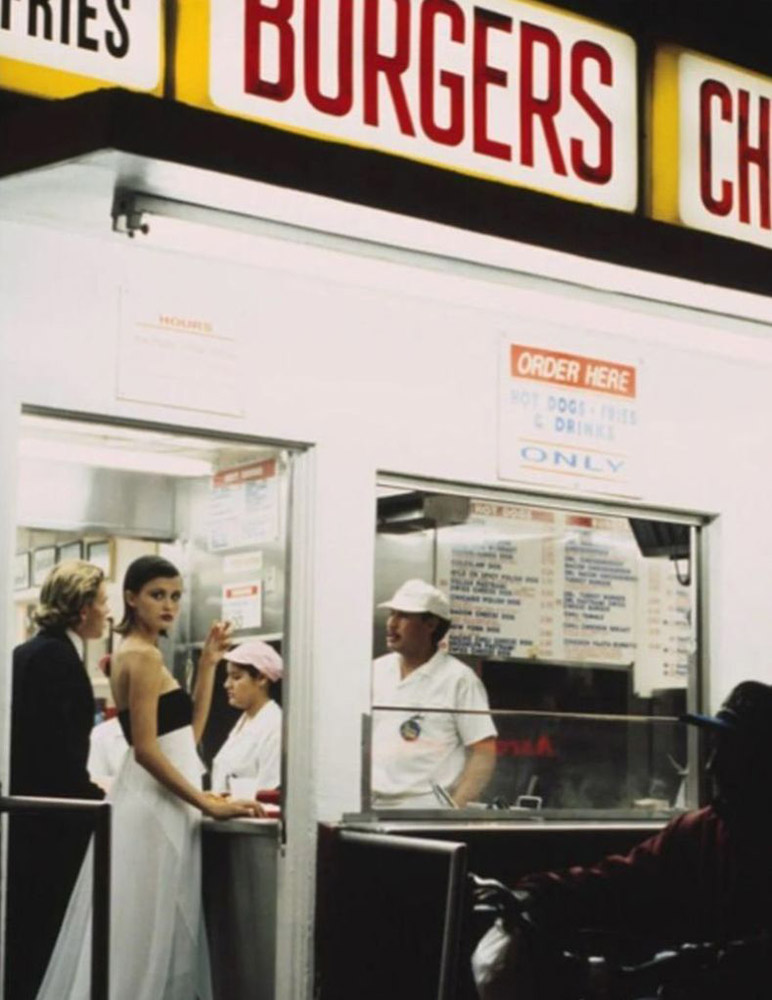
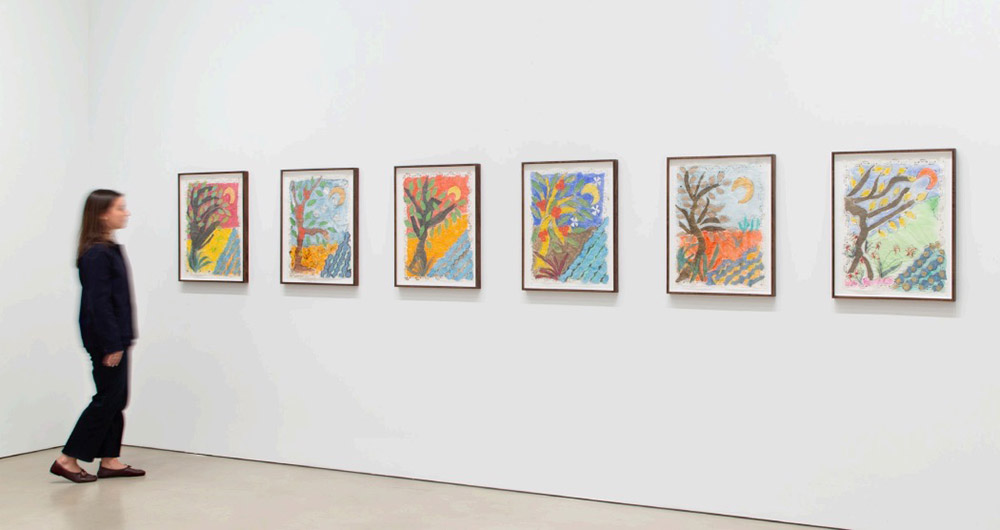
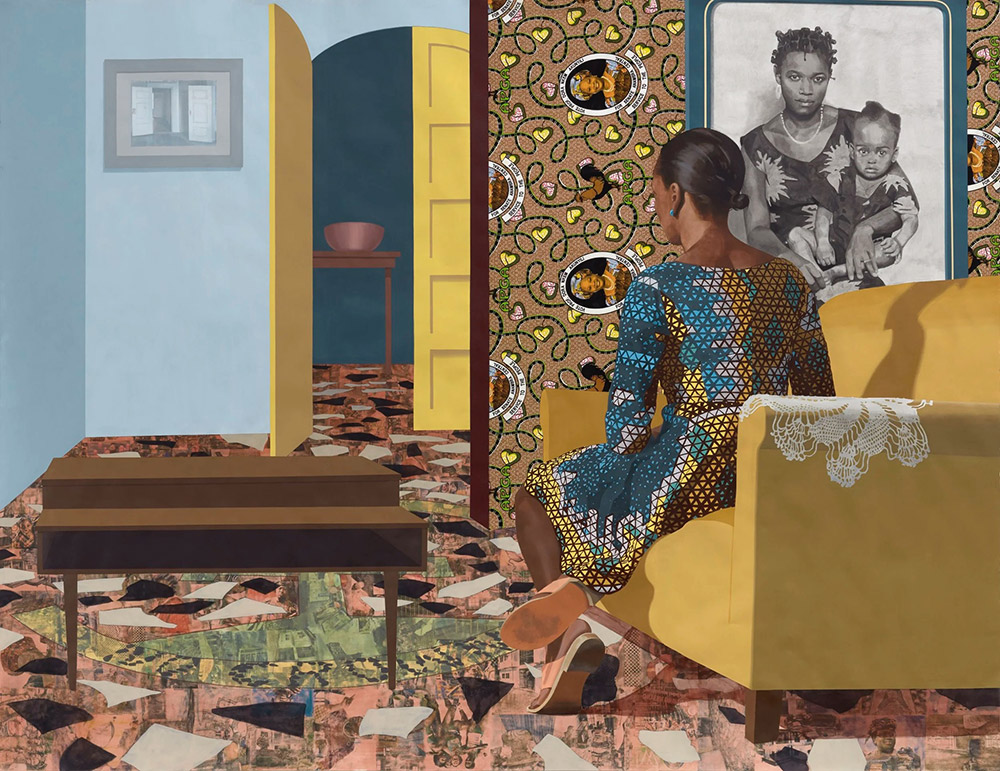
Contemporary women artists move fluidly across media, shaping a visual language that is intimate, cinematic, and materially rich. Njideka Akunyili Crosby’s Mother and Child (2016) centres this dialogue, layering domestic imagery and photo-transfer to explore memory, migration, and belonging with quiet intensity. In photography, Pamela Hanson’s 1994 image of Trish Goff at a Los Angeles hot dog stand captures an unguarded fashion moment that feels both spontaneous and iconic. Alex Prager constructs psychologically charged scenes that hover between reality and fiction, while Tracey Emin’s raw, confessional works foreground vulnerability and personal truth. Isabella Ducrot’s Bella Terra series turns to surface and texture, building landscapes that feel tactile, grounded, and contemplative. Together, these practices reveal the range and resonance of women’s contemporary voices.
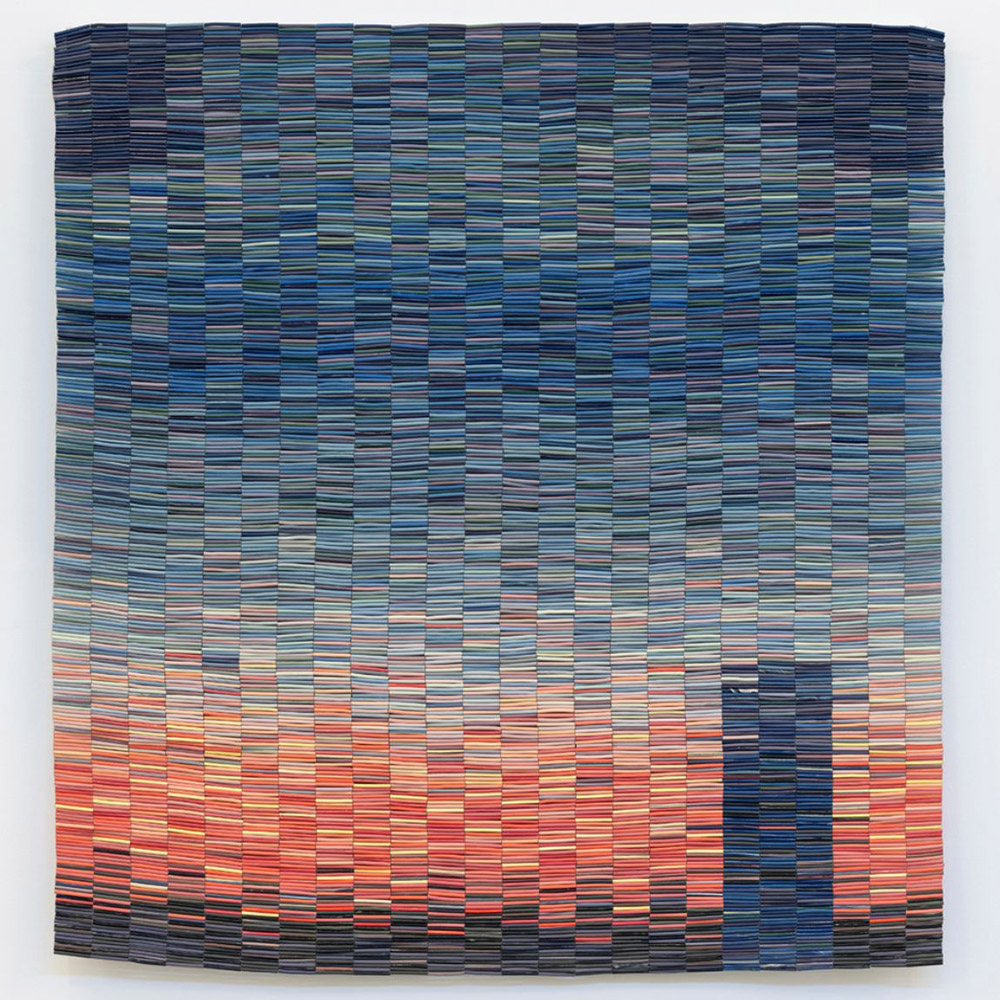
Indigenous and diasporic perspectives deepen this dialogue. Nadia Myre’s The Twilight Compositions: Luminous Fusion (2024) merges abstraction and symbolism, drawing from Indigenous knowledge systems while exploring identity, land, and continuity. Her work refl ects resilience and cultural memory, grounding contemporary practice in lived experience and ancestral connection.
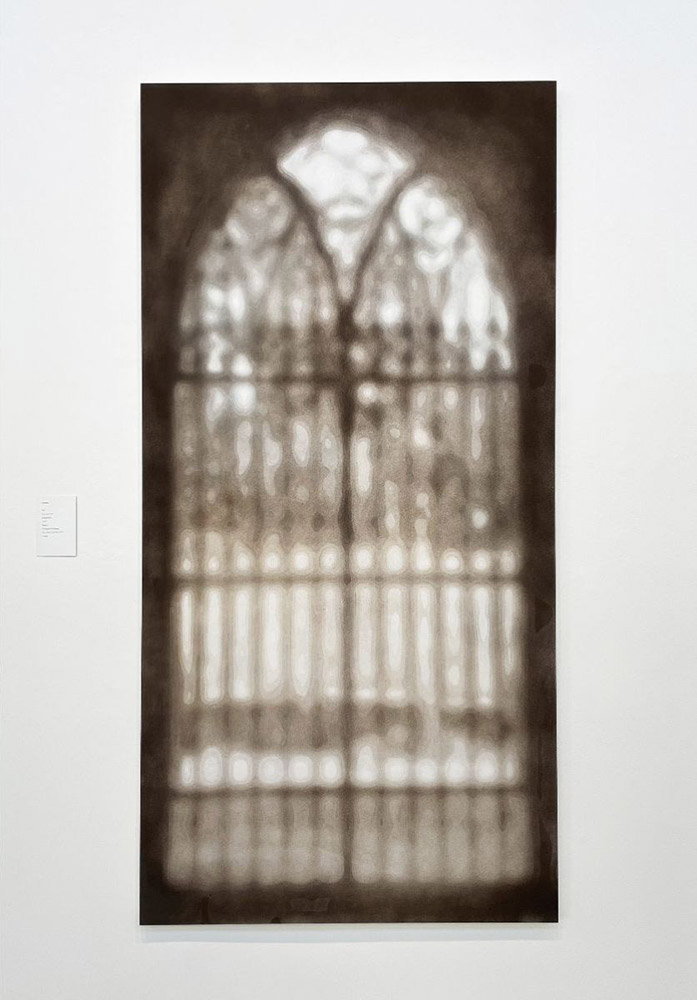
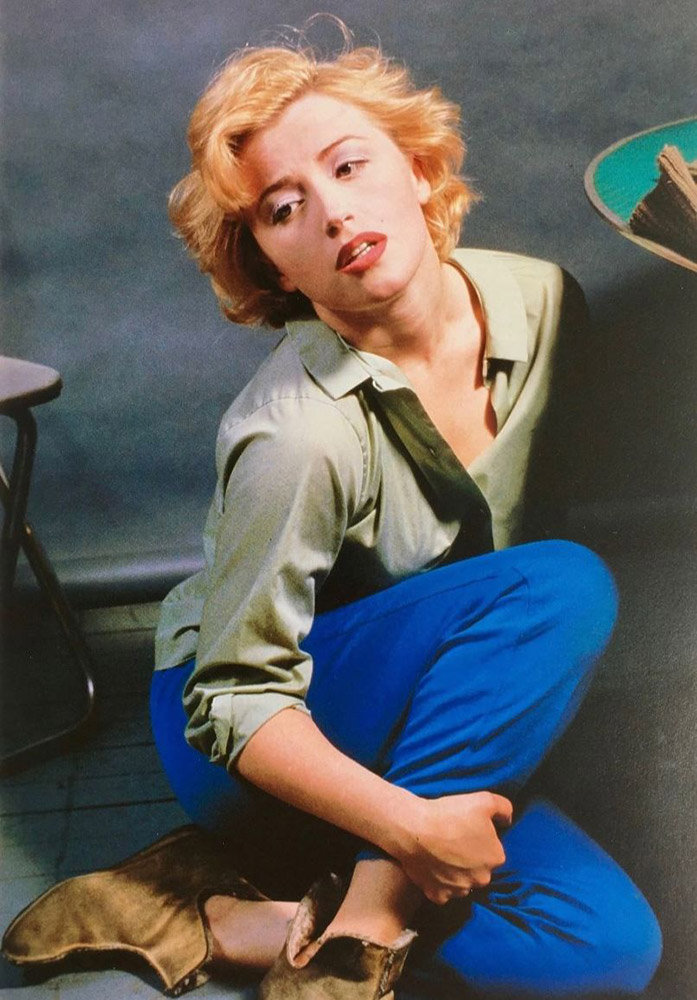
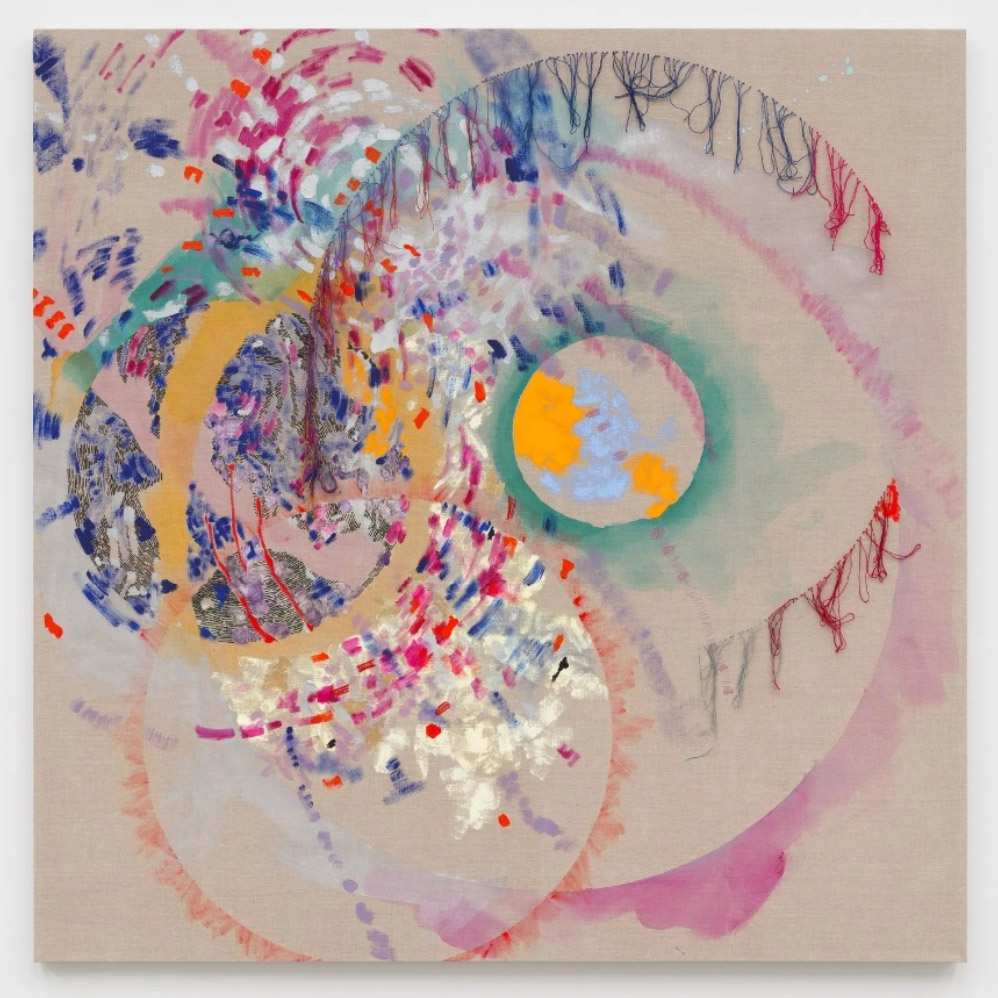
Women are not only transforming what art looks like; they are reshaping how it is read and experienced. Luca Soldovieri’s Chamber encourages close observation and refl ection, while Cindy Sherman’s Untitled – Marilyn questions constructed identity and celebrity through staged portraiture. Jessica Rankin’s Water By the Side of Fire (SPP) creates a textured, meditative composition using delicate washes and subtle gestures, evoking memory, landscape, and introspective space. Together, these works expand visual language and challenge familiar narratives.
This impact is visible in interiors as well as institutions. A work by Mila Libman introduces subtle, misty tones and soft forms that evoke quiet contemplation, while Julie Mehretu’s Achille (Epoch) brings sweeping movement and layered complexity that energize the room. Displayed in domestic settings, these works show how contemporary art becomes part of daily life, shaping mood and conversation.


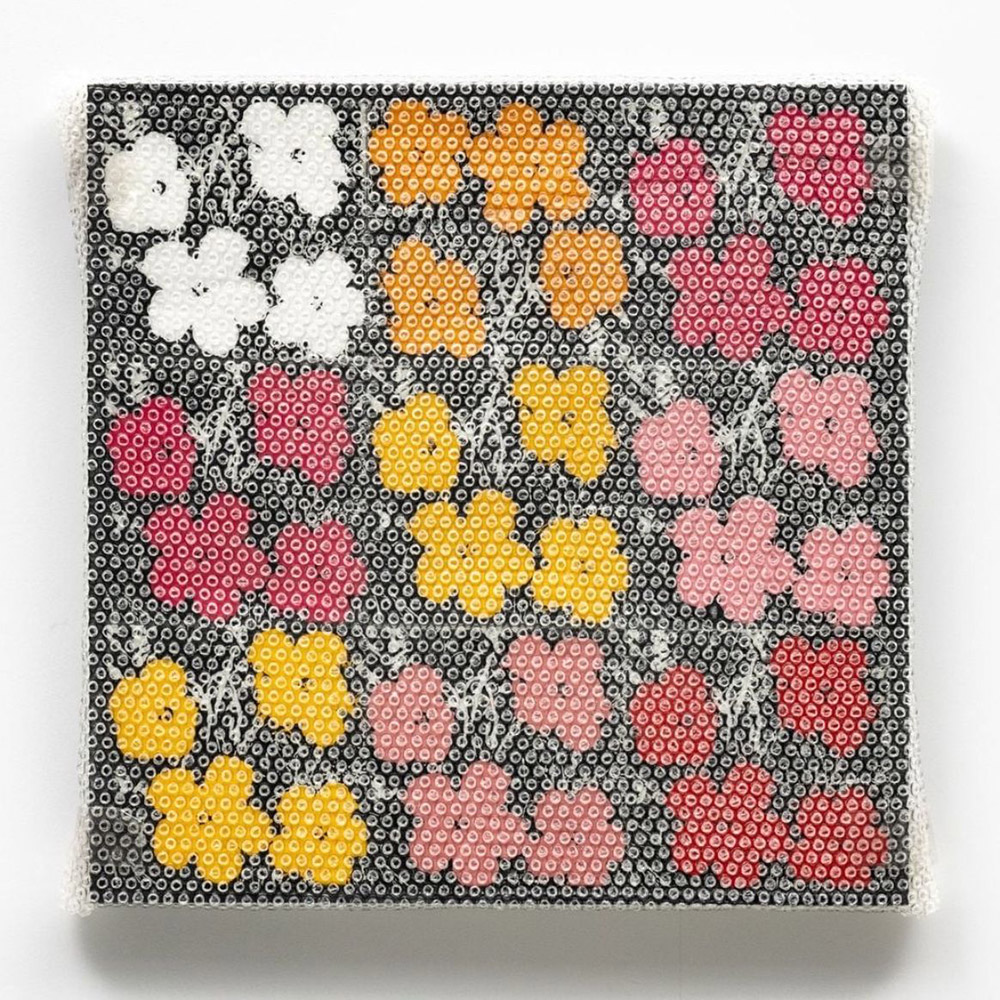
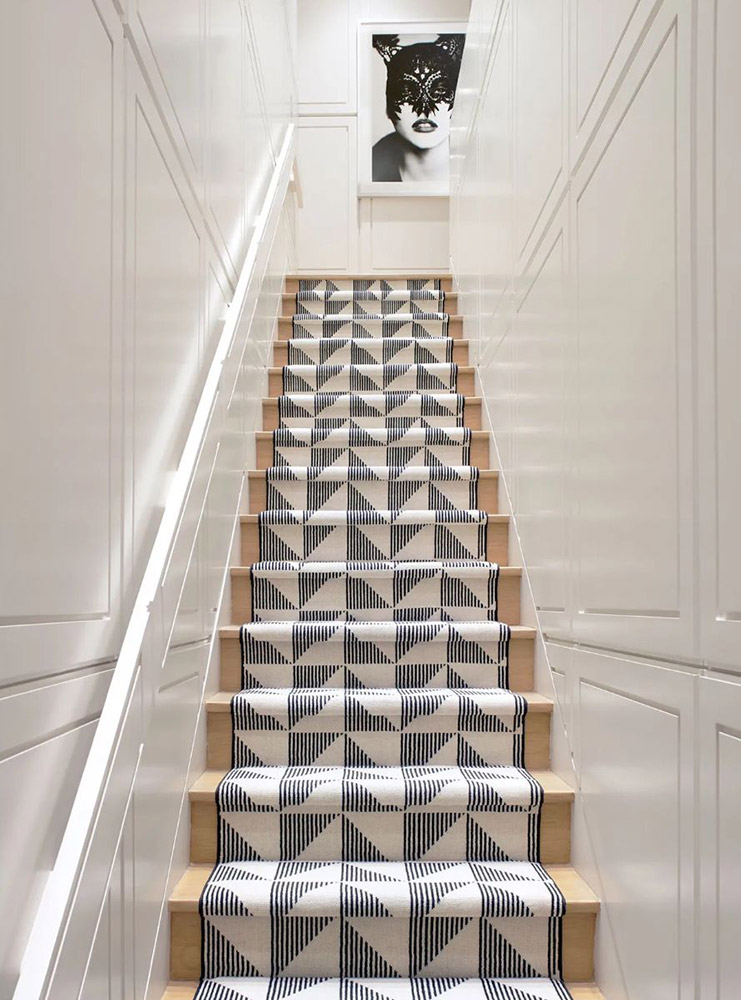
International Women’s Day invites us to look beyond the familiar and engage with work that challenges, comforts, and provokes. From Tammi Campbell’s ABHK, which playfully disrupts expectations of realism, to an Ellen von Unwerth photograph commanding a staircase with bold perspective, women’s creativity continues to transform the spaces we inhabit. Their mark is visible, and it deserves wider recognition.
Click here to explore more works like these with us.