How do you develop your taste in art?
How do you figure out what you like and what’s not for you?
Taste develops gradually through looking, noticing, and returning to what continues to hold your attention. Here are a few tips to help you sharpen your eye and refine your taste in art.
1. Visit Tons of Galleries & Museums
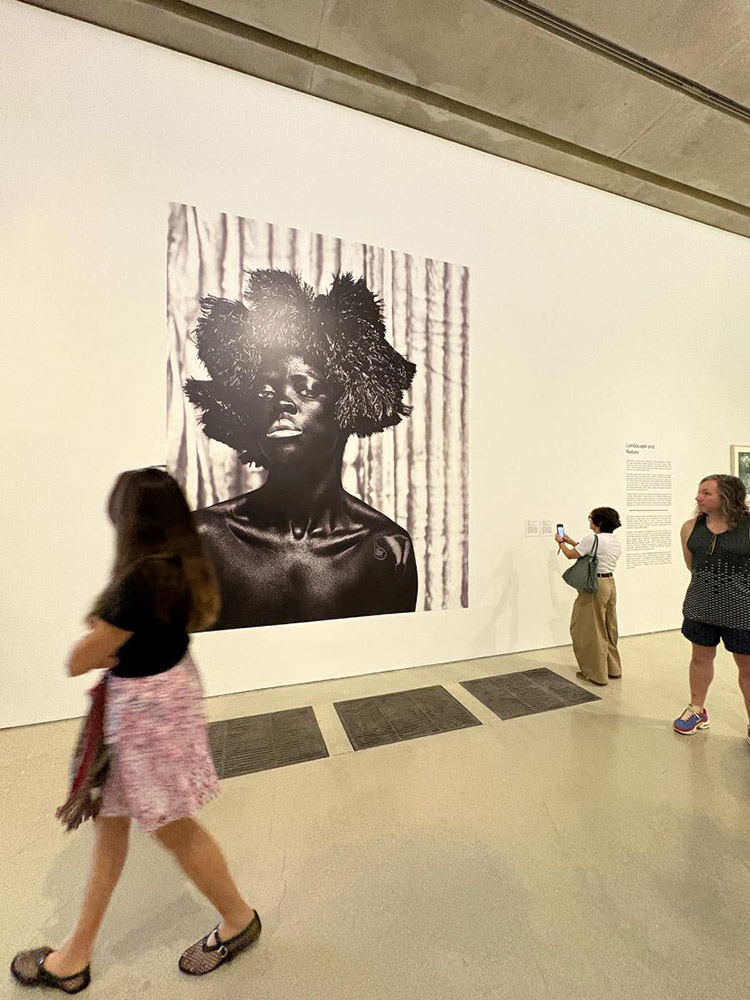
Galleries and museums are essential in refining how you see.
In person, scale, texture, and material presence become immediate. A work that feels compelling online may feel flat in reality, while another may reveal depth or energy that cannot be captured digitally. While the ease of viewing art on a screen cannot be denied, the trip to see something in person is always worth it.
Regular visits train the eye. They help you compare, notice nuance, and understand your own responses more precisely. The more you are exposed to, the clearer your preferences become.
Pro tip: Check out the exhibition vernissage (or opening), often on Thursday nights. They are free and open to the public. You can meet the curator, the artist, and ask questions to the gallerists, all with a glass of wine in hand.
2. Go to Art Fairs
Art fairs offer concentrated access to diverse art.
They bring together galleries and artists in one place, making it possible to experience a wide range of work in a single visit. They are one of the most efficient ways to understand what is currently being shown and discussed.
Following fairs, major museums, and leading publications help place what you see in a broader context.
Here are some of our favourites:
- IFPDA, New York – April 9 to 12, 2026
- Expo Chicago, Chicago – April 9 to 12, 2026
- Plural, Montreal – April 10 to 12, 2026
- Frieze, New York – May 13 to 17, 2026
- TEFAF, New York – May 15 to 19, 2026
- Art Basel, Basel – June 18 to 21, 2026
- Frieze, Seoul – September 2 to 5, 2026
- Untitled, Houston – October 2 to 4, 2026
- Frieze, London – October 14 to 18, 2026
- Art Basel, Paris – October 23 to 25, 2026
- Art Toronto, Toronto – October 29 to November 1, 2026
- NADA, Miami – December 1 to 5, 2026
- Untitled, Miami – December 2 to 6, 2026
- Art Basel, Miami – December 4 to 6, 2026
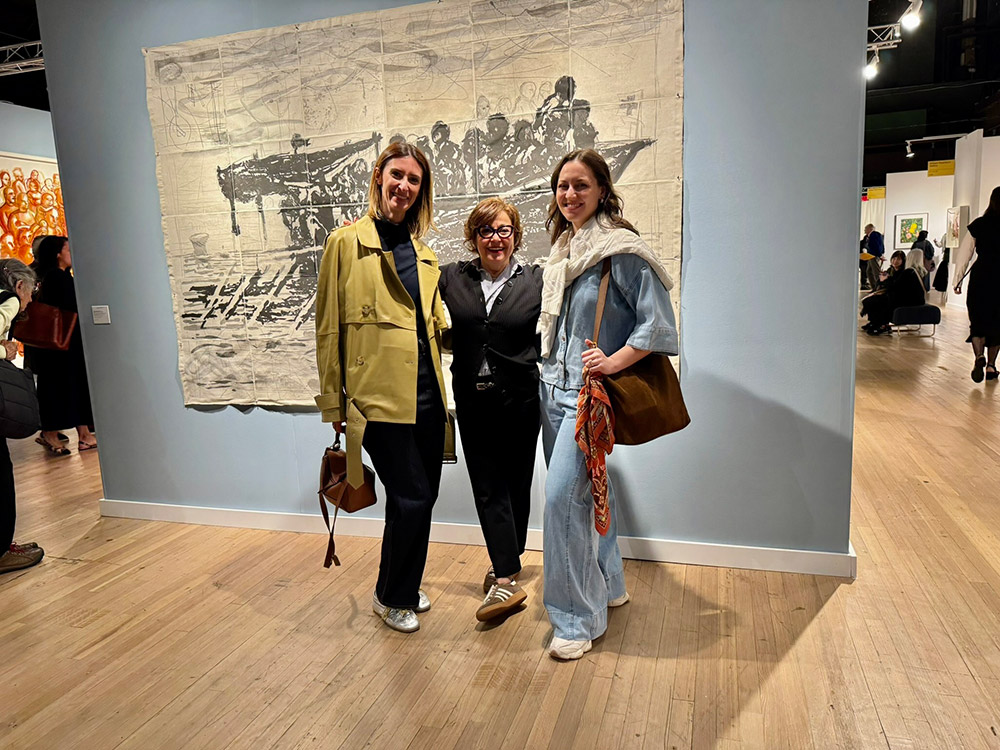
Walking the fair with a professional advisor can enhance the experience. A trained eye can help differentiate between real quality work and something lesser, ask the important questions, and help avoid expensive mistakes. If this interests you, please don’t hesitate to be in touch with us for your next fair.
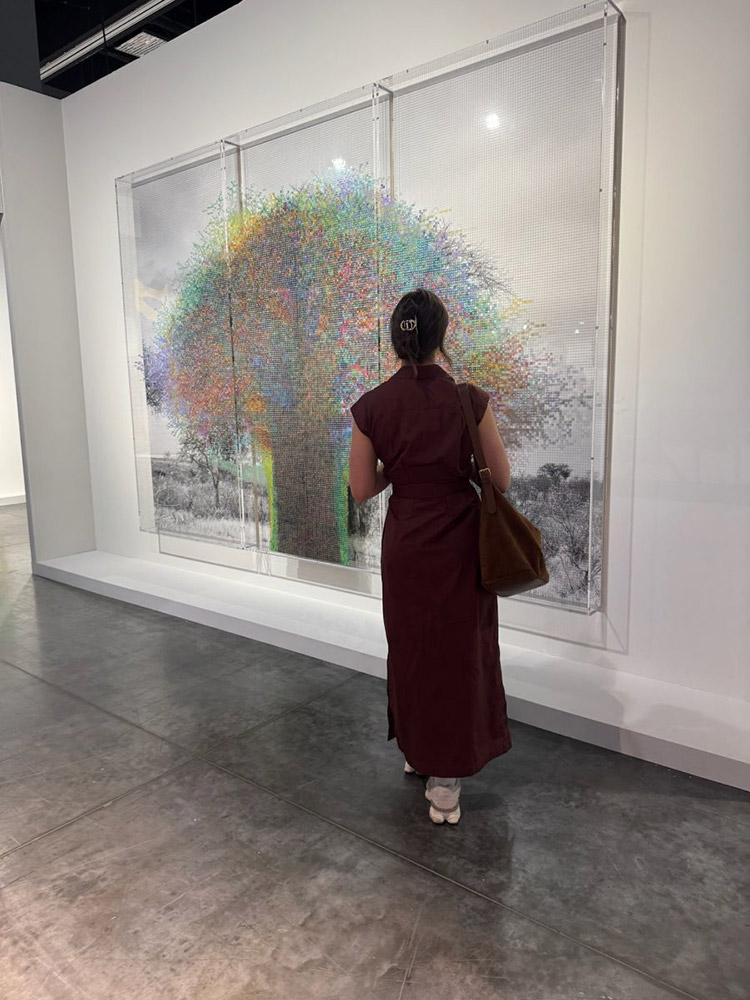
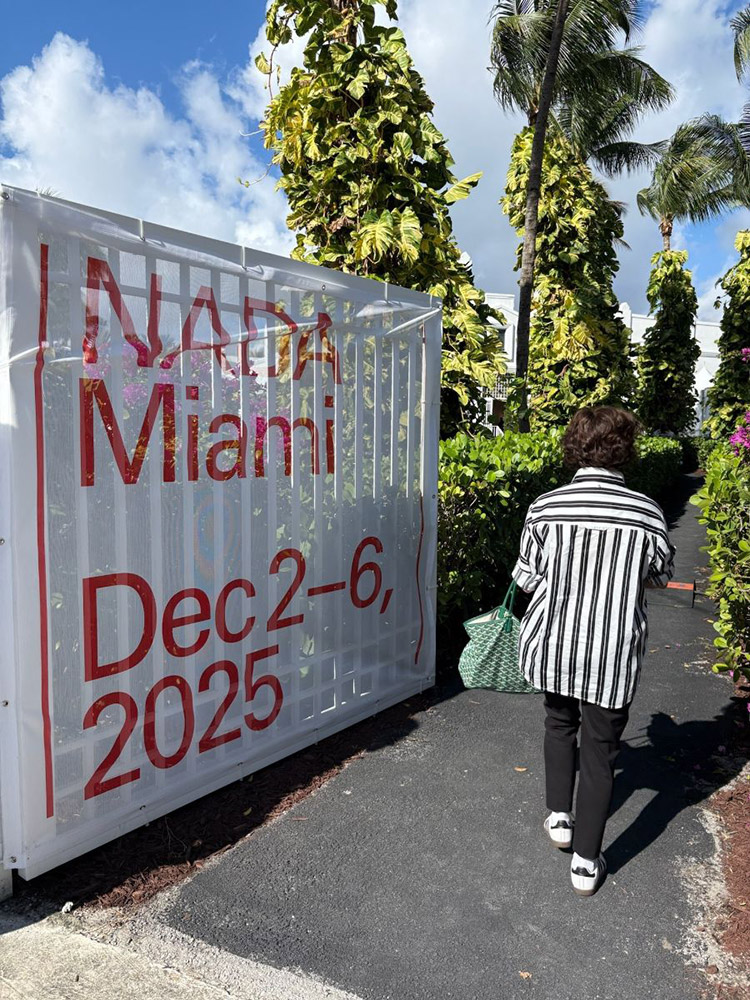
Artwork by Charles Gaines. Art Basel Miami Beach & Nada Miami 2025.
3. Stay Connected
Newsletters are one of the simplest ways to stay engaged with the art world. Subscribe to as many of them as you can, often through a simple link on the gallery website. They offer a steady rhythm of exposure to exhibitions (including vernissage dates!), artists, and ongoing conversations as they unfold.
Over time, this consistent engagement strengthens how you see. Thoughtful collections begin with sustained looking.
4. Up Your Socials Game
Surrounding yourself with more art, more often. Follow artists, galleries, museums, and publications. The goal is not to know everything, but to stay engaged with what is happening and notice what grabs your attention. Remember that it takes years to develop your eye, so have patience.
What do you save? What do you return to? What do you keep coming back to?
Here are some of our favourite Instagram accounts for art content:
- @robinrosenbergfineart (of course!)
- @galeriemagazine
- @larrys_list
- @artdrunk
- @artnet
- @artnews
- @artbasel
- @friezeofficial
- @mbamtl
- @agotoronto
The more you expose yourself to art, the more you will see what attracts you.
5. Learn More About Mediums
Understanding material is part of developing discernment.
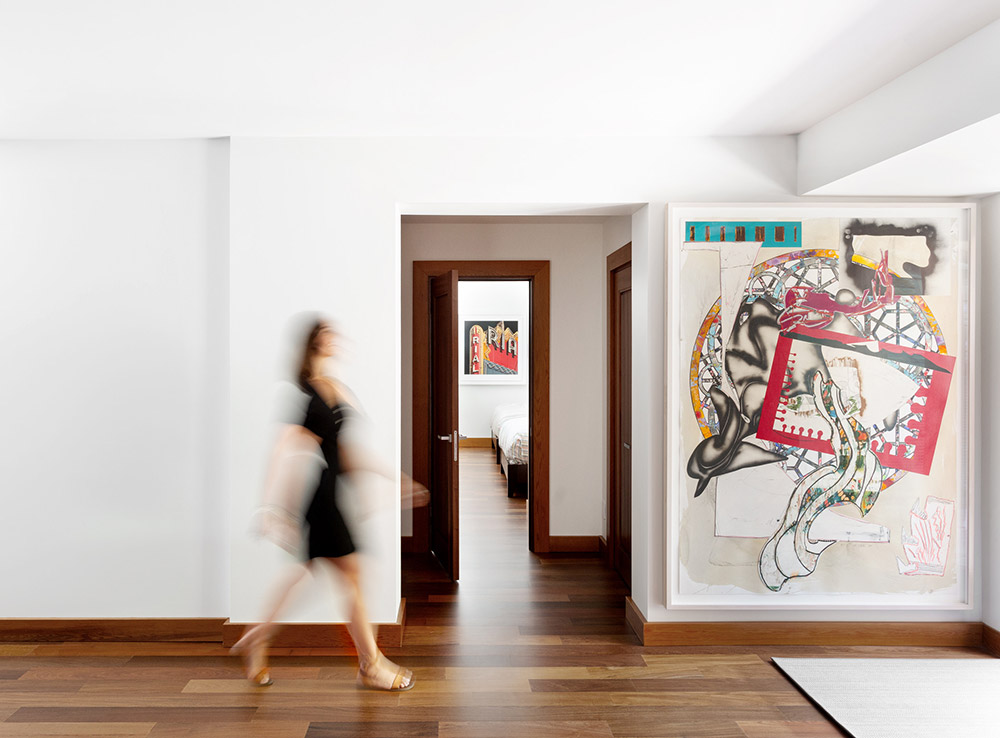
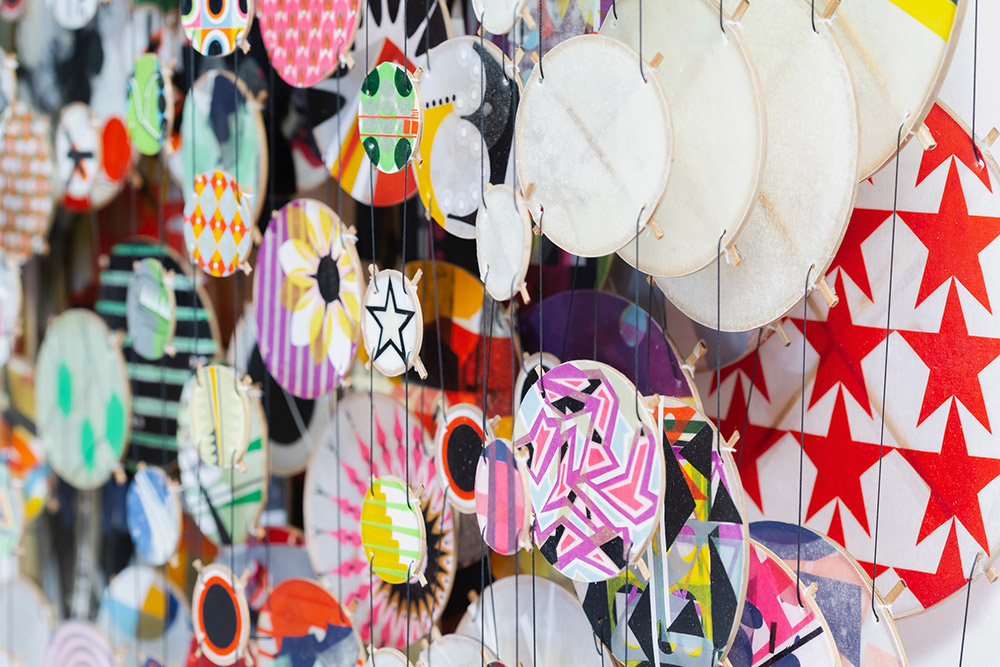
Painting, sculpture, photography, works on paper, textile practices, and mixed media each carry distinct histories and visual languages. Often, attraction begins not with subject matter, but with colour, texture, scale, or process.
The more you understand how something is made, the more precise your perception becomes.
6. Remain Open-Minded
What you are drawn to is not fixed.
Early preferences are often shaped by familiarity. With time and exposure, they naturally shift. Some interests fade, while others emerge more clearly. This is not inconsistency, but refinement.
Try not to negate any specific style or, especially, medium, outright. You may be missing out on something phenomenal without knowing it.
The strongest collections are built with curiosity, openness, and a willingness to keep looking beyond what is already familiar.
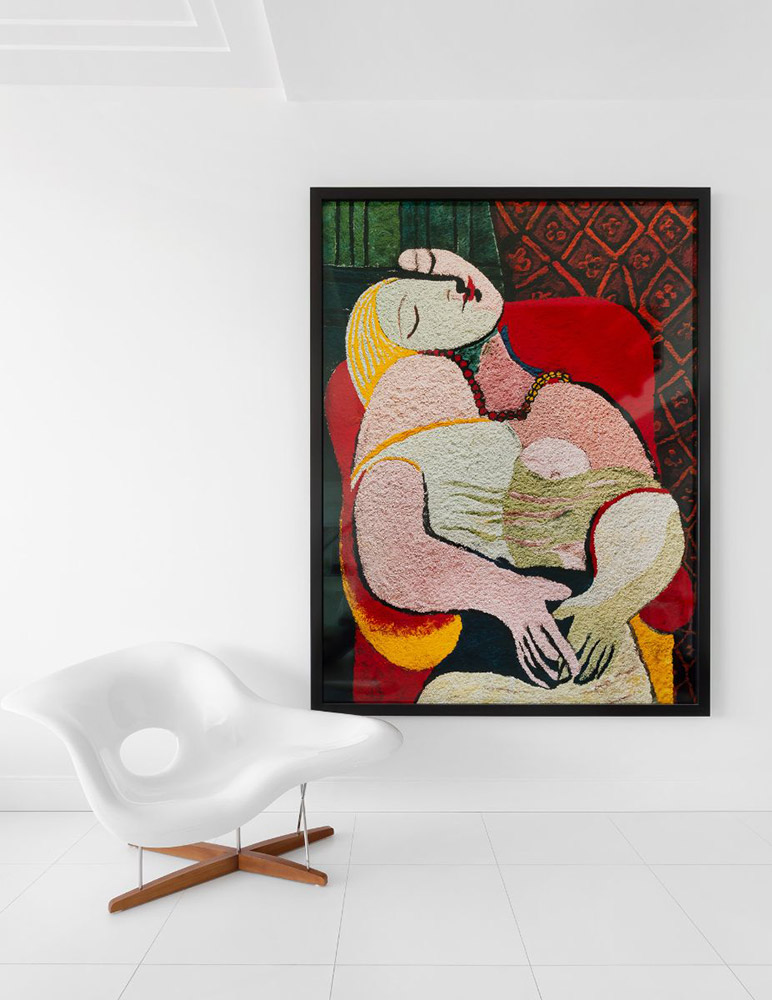
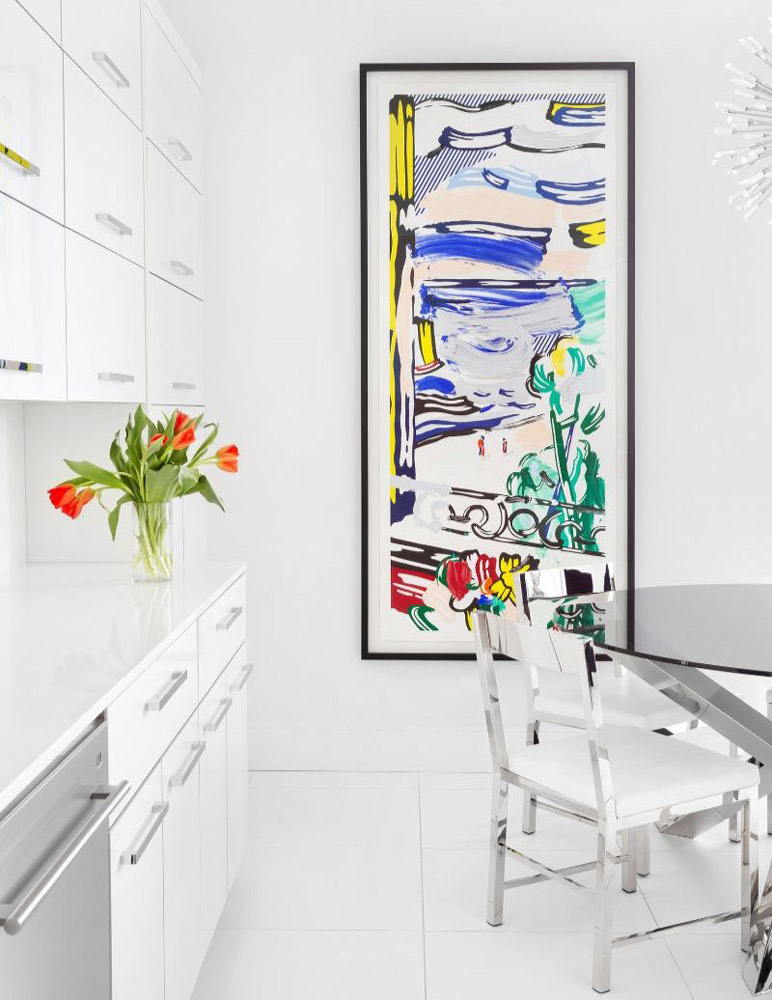
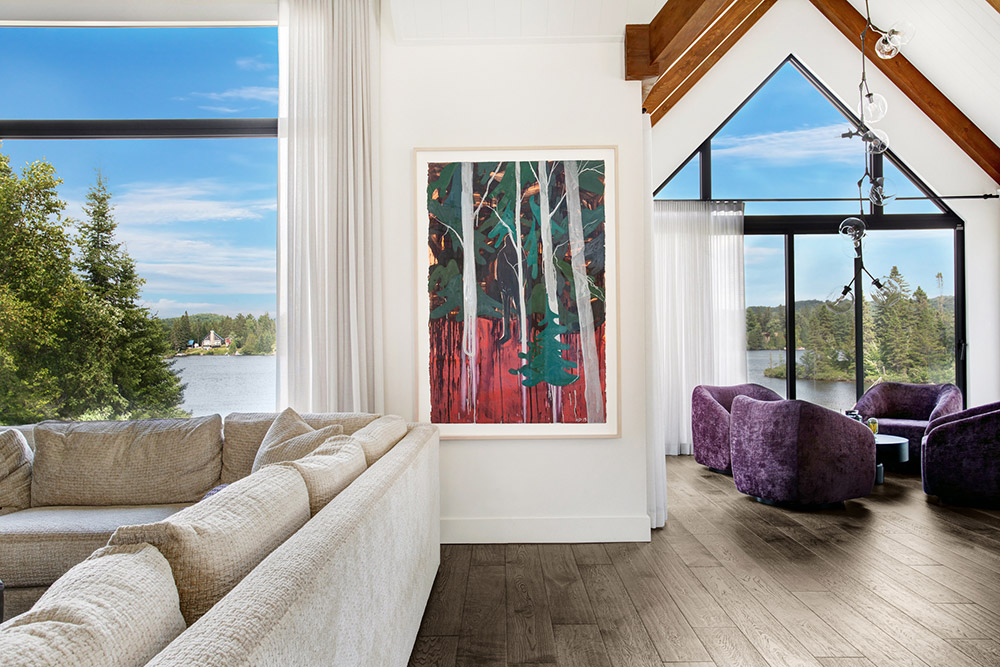
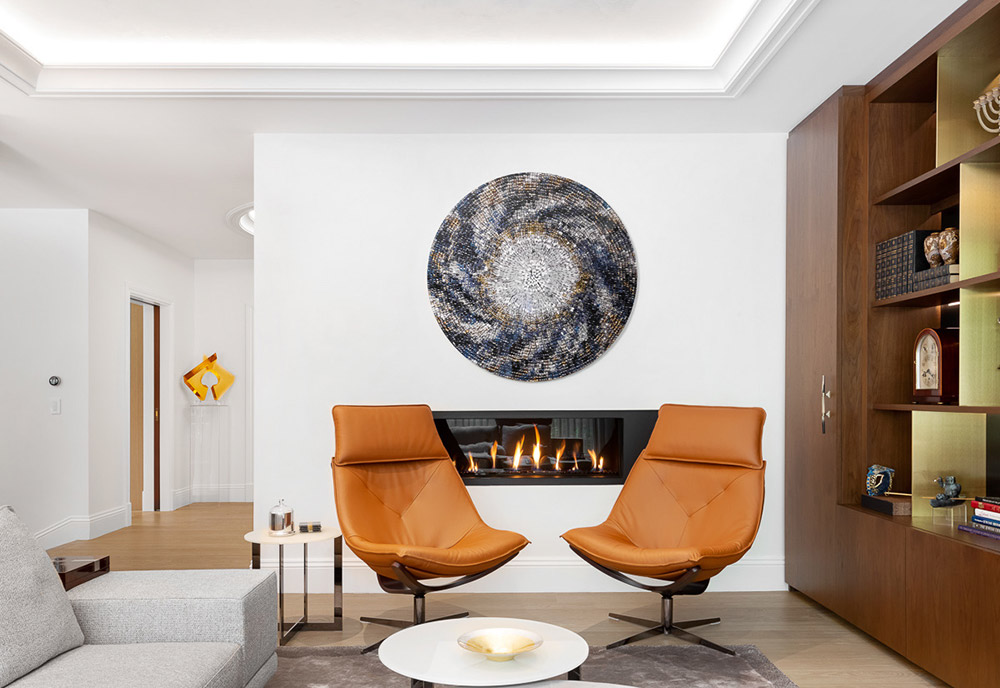
Artwork by Vik Muniz & Roy Lichtenstein. RRFA Client Installations.
7. Work with a Trustworthy Advisor
Of course, the best way to learn more about your taste is to work with us!
At Robin Rosenberg Fine Art, working with new clients begins with a questionnaire designed to better understand aesthetic instincts and visual preferences. Most people already have a sense of what they are drawn to, even if they have not yet articulated it.
If you are beginning to explore your own sensibility more seriously, or would like guidance in understanding what to look for, we invite you to connect with us here.